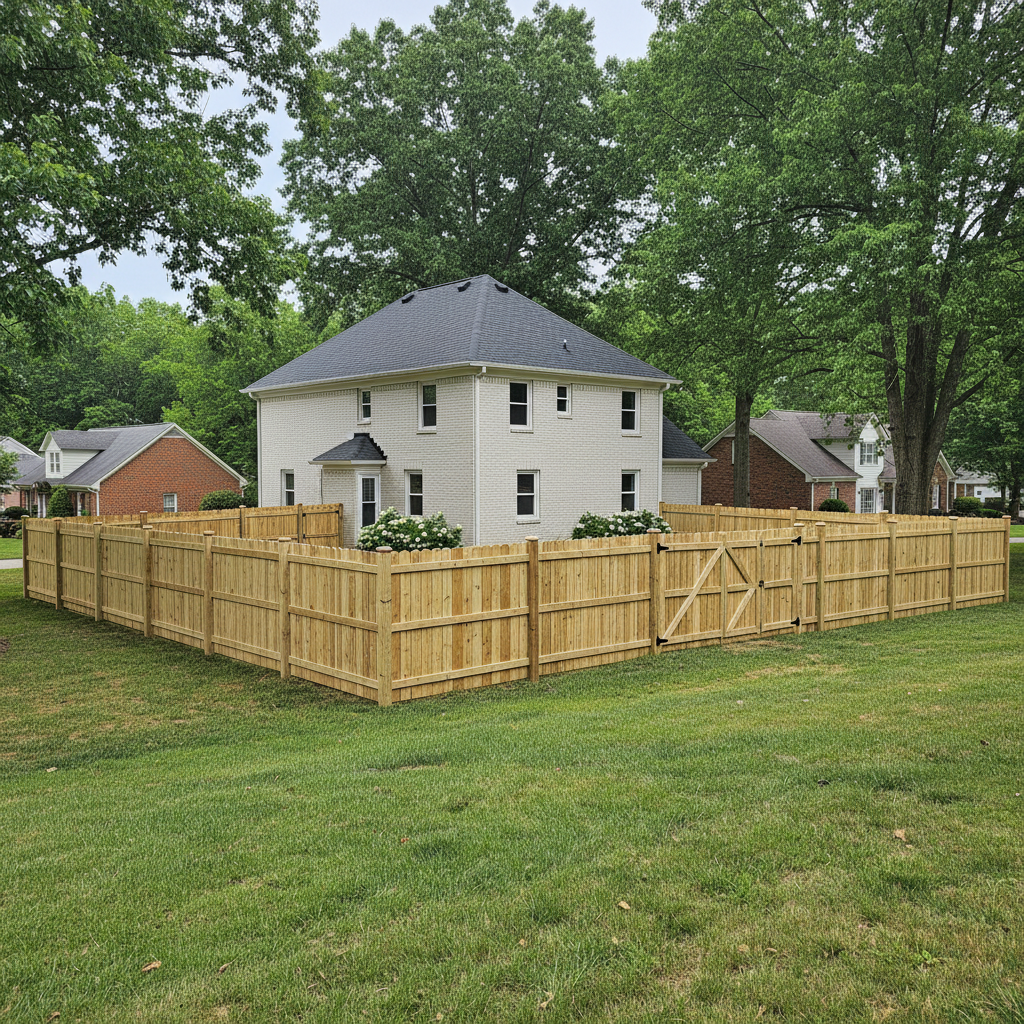
So, you're thinking about a wood fence? Good call. There's just something timeless and welcoming about a well-built wood fence, isn't there? Around Farragut, I've seen everything from simple picket fences to tall privacy screens, and every single one adds a ton of character and usefulness to a property. But putting one in here isn't quite the same as doing it somewhere else. We've got our own quirks, and if you don't plan for them, you'll run into trouble down the road.
Our Soil and Our Slopes: It's More Than Just Dirt
First things first, let's talk about the ground. We're not exactly flat here, are we? Drive through neighborhoods like Fox Run or Sugarwood, and you'll spot plenty of yards with gentle slopes, sometimes even some pretty steep ones. That means you can't just run a straight line of fence posts and call it a day. You've got to either "step" the fence or "rake" it, depending on the grade. Stepping means each section stays level, but drops down to the next one like stairs. Raking, on the other hand, means the top of the fence follows the ground's slope. Each method has its place, and picking the wrong one can look a bit goofy or leave gaps at the bottom that your dog will absolutely love to exploit.
Then there's the soil itself. We've got a fair bit of clay in East Tennessee. That clay can be a real pain to dig through, especially when it's dry. But more importantly, it handles water differently than sandy soil. When it gets wet, it expands; when it dries, it shrinks. This movement can really stress fence posts, particularly if they're not set deep enough or properly concreted. You definitely don't want your posts heaving out of the ground after a few years, or leaning like they've had too much to drink, do you? I always make sure our posts go down deep enough to get past that top layer of active soil, and we use a good concrete mix to give them a solid footing.
Choosing the Right Wood for Our Climate
When it comes to the wood itself, you've got choices. Cedar, pressure-treated pine, cypress – they all come with their own ups and downs. Around here, with our humid summers and wet winters, rot and insect damage are serious concerns. I've seen too many fences built with untreated lumber that simply didn't stand a chance against our climate. Pressure-treated pine is a popular choice for a reason; it's treated to resist rot and insects, and it's generally more affordable. Cedar is naturally resistant and looks fantastic, but it's a bigger investment upfront.
No matter which wood you pick, proper sealing and staining are critical. It's not just about making it look good; it's about protecting it from the sun's UV rays and all that moisture. Think of it as sunscreen and a raincoat for your fence. You wouldn't go out in the elements without protection, and neither should your fence.
Common Farragut Projects: Privacy and Property Lines
What kind of wood fences do people usually get around here? Privacy fences are huge. With homes often sitting pretty close together, especially in newer developments, people really want their own space. A 6-foot dog-eared privacy fence is probably the most common request we get at Sunrise Fencing. It gives you that backyard sanctuary you're looking for.
We also put in a lot of property line fences, often shared with neighbors. This is where good communication is key. I always recommend talking to your neighbors before you even get a quote. Make sure everyone's on the same page about the fence line, the style, and who's paying for what. It saves a lot of headaches later on.
Why Local Expertise Matters
Sure, you can hire any fence company. But someone who knows Farragut, who's worked in these yards, who understands the local building codes and the specific challenges of our terrain – that's truly invaluable. We know about the utility lines that might be buried in certain areas, the specific setbacks required by the town, and the best way to handle that tricky slope in your backyard that runs down to a creek bed.
It's not just about putting up posts and panels; it's about building a fence that will last, look good, and do its job for years to come, despite what our East Tennessee weather throws at it. I've been doing this long enough to know what works here, and what doesn't. You want a fence that's built right, for Farragut.