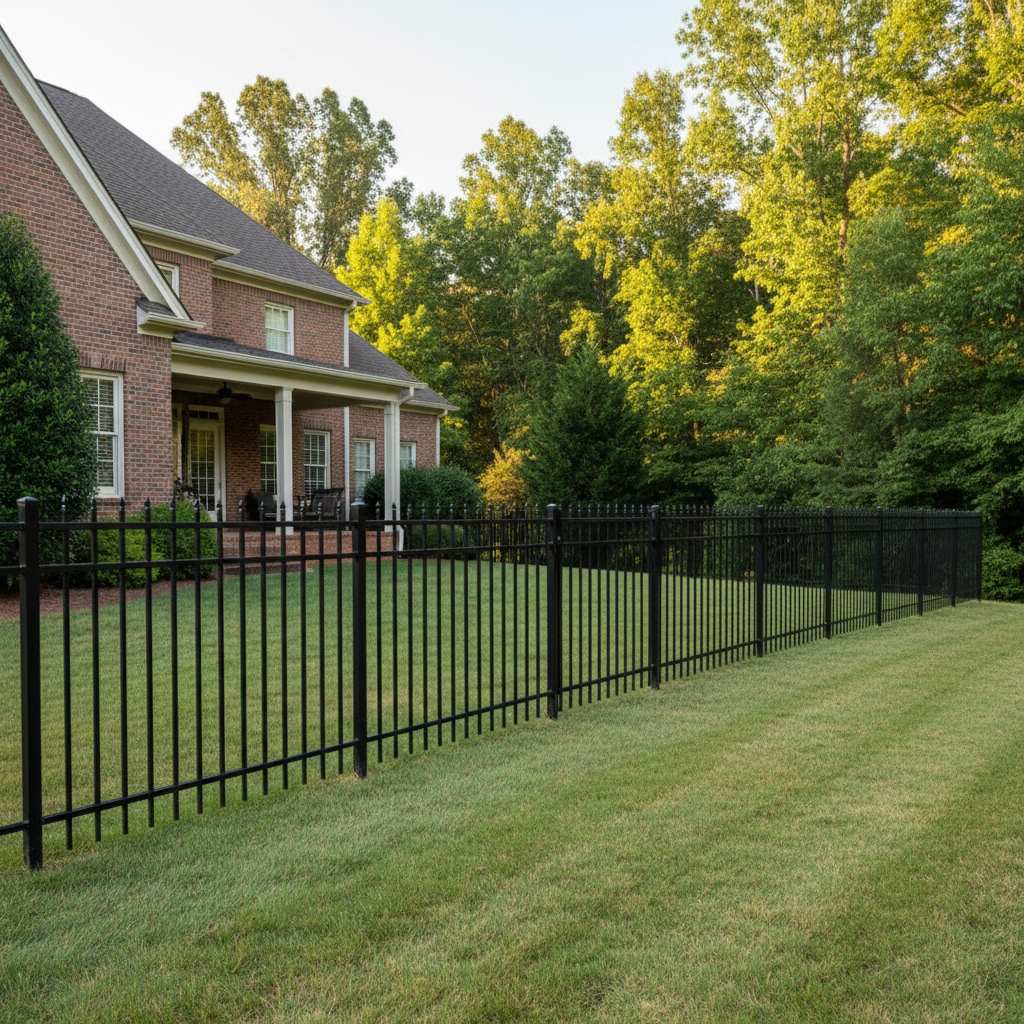
So, you've got yourself a beautiful aluminum fence. Smart choice, if you ask me. They're durable, they look great, and frankly, they're a lot less fuss than wood or even vinyl in the long run. But 'less fuss' doesn't mean 'no fuss.' You still gotta give it a little attention to make sure it lasts as long as it should, especially with our Tennessee weather. I've seen plenty of fences around Farragut, from the older homes in Concord Hills to the newer builds off Kingston Pike, and I can tell you, the ones that look best after years are the ones that get a bit of regular care.
Making Your Aluminum Fence Last Longer
The biggest thing you can do to extend your aluminum fence's life actually starts before we even put it in: make sure it's a quality product and installed correctly. Here at Sunrise Fencing, we only use materials built to handle our climate, and we install them exactly to spec. Once it's up, though, you're looking at protecting that finish. Aluminum itself won't rust like steel, which is a huge plus. What you're really guarding against is damage to the powder coat finish, that's what gives it its color and an extra layer of protection.
Keep an eye out for anything that might scratch or ding the fence. Things like weed whackers, lawnmowers, or even kids' bikes bumping into it can chip that coating. Once the raw aluminum shows through, it won't rust, but it can start to oxidize and look dull. Eventually, the coating around the chip might even peel. So, be mindful when you're doing yard work. A little trim guard around the fence line can save you a lot of headache.
Regular Maintenance: What You Need to Do
Honestly, keeping an aluminum fence in good shape is pretty straightforward. Most of it just comes down to keeping it clean. Here in Farragut, we get our fair share of pollen in the spring, dust from construction, and general grime. All that stuff can build up and make your fence look dingy.
- Wash it down: A good rinse with a garden hose once a month or so, especially after a dry spell, is usually all it takes. If it's really dirty, or you see some green algae starting to form, mix up some mild dish soap in a bucket of water. Use a soft brush or a cloth to scrub it down, then rinse thoroughly. Don't use anything abrasive, and definitely stay away from harsh chemicals or pressure washers set too high; they can damage the finish.
- Check the hardware: Every now and then, just walk the fence line and give the gates a wiggle. Make sure all the screws and bolts are snug. Over time, with opening and closing, things can loosen up. A quick tighten with a screwdriver is usually all you need. Pay special attention to the hinges and latches on your gates; they get the most action, after all.
- Clear vegetation: Keep plants, bushes, and trees from growing directly against the fence. Not only can they rub and scratch the finish, but they can also hold moisture against the fence, which isn't ideal, even for aluminum. Plus, it just makes cleaning harder.
Our humid summers here in Tennessee, followed by wet falls and winters, mean you might see more algae or mildew growth than in drier climates. That's where that regular soap and water wash really pays off.
Warning Signs of Problems
Your aluminum fence is pretty resilient, but it will tell you when something's not right. You just have to know what to look for.
- Chips or scratches in the finish: Like I mentioned, these are the main culprits for long-term aesthetic issues. If you catch them early, you can often touch them up with a matching paint made for aluminum. This prevents further peeling and keeps it looking uniform.
- Loose pickets or rails: If you notice a picket wiggling or a section of rail feeling loose, it usually means a fastener has come undone or a connection point is failing. You need to address this quickly, especially if you have pets or kids, as it compromises the fence's integrity.
- Gate issues: A gate that sags, drags, or doesn't latch properly is a common problem. Often, it's just a matter of adjusting the hinges or tightening some bolts. But if you ignore it, the frame itself might be bending or the posts could be shifting.
- Discoloration or chalking: If your fence starts to look faded, dull, or you can rub off a chalky residue, it means the powder coat is starting to degrade. This usually happens after many years, especially on sides that get a lot of direct, intense sun. While it's mostly cosmetic, it means the protective layer isn't doing its job as well anymore.
When to Call a Professional
Most of the maintenance I've talked about, you can handle yourself. But there are times when it's just better to call in someone who knows what they're doing. That's where we come in at Sunrise Fencing.
- Major damage: If a car runs into your fence, a tree falls on it, or a big storm rips through and bends a section, that's beyond a simple DIY fix. We can assess the damage, replace sections, and make sure the repair is structurally sound and matches your existing fence as closely as possible.
- Persistent gate problems: If you've tried adjusting your gate hinges and it still sags or won't close right, there might be a deeper issue. It could be a bent post, a foundation problem, or even an issue with the gate frame itself. We've got the tools and experience to diagnose and fix those trickier gate issues.
- Foundation or post issues: If you notice a fence post leaning, or the concrete around it is cracked and heaving—especially common in areas with reactive clay soils like we have in parts of Farragut—you've got a foundation problem. This isn't something you want to mess with yourself. A professional can reset the post properly, ensuring the fence remains stable.
- Extensive finish degradation: If your fence is chalking or fading badly over large sections, a professional can sometimes recommend options like re-coating or specialized cleaning that can restore its look without replacing the whole thing.
Taking care of your aluminum fence isn't a huge chore, but doing these little things regularly will make a big difference in how long it looks good and how well it performs. A little bit of effort goes a long way to protect your investment.